
Garmin Vivoactive 6 Unboxing and First Impressions: 11-Day Battery for €250
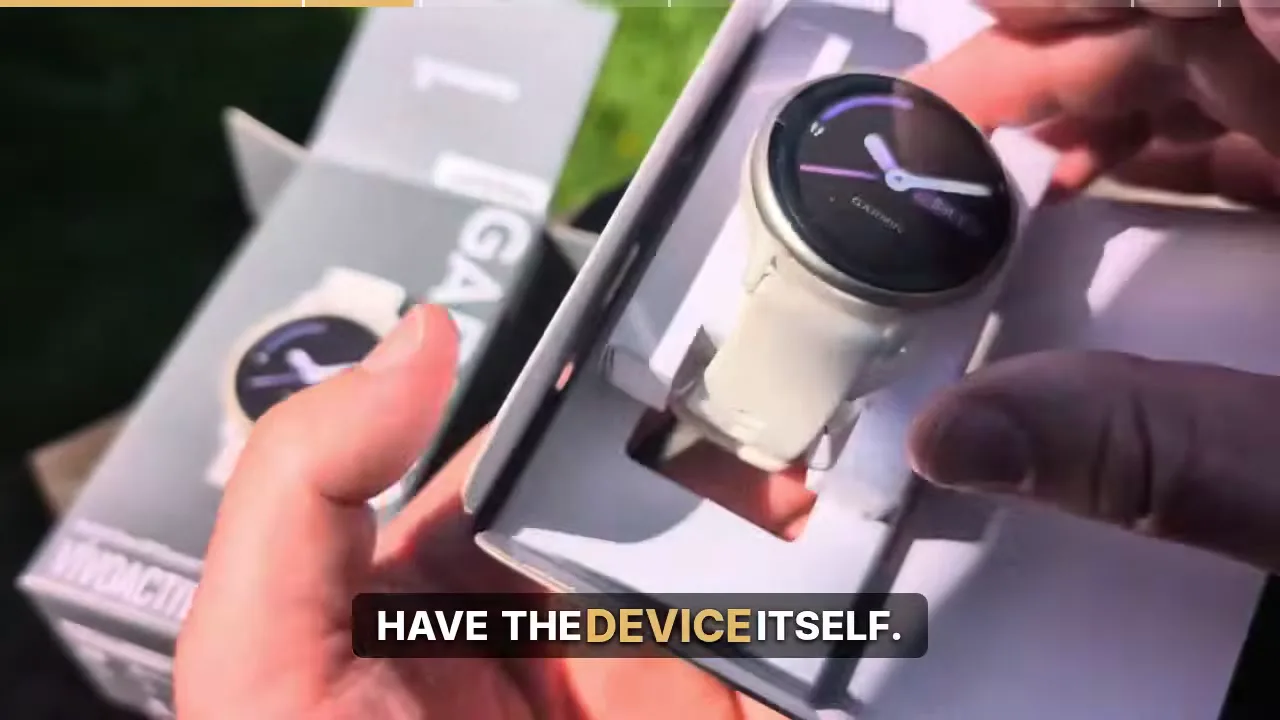
I just unboxed the Garmin Vivoactive 6 in the Bone / Lunar Gold colour. I paid €250 on Amazon Germany for the European version. In this post I go through what’s in the box, the build and design, the features that matter, how it compares with Garmin’s bigger watches like the Fenix 8 and Enduro 3, and what the first power-on looks like.
Check the current price of the Garmin Vivoactive 6 on Amazon. (Affiliate link. It supports the site at no extra cost to you.)
If you’d rather watch than read, here’s the full unboxing video:
Garmin Vivoactive 6 at a glance
These are the specs I went through in the video:
- Display: 1.2” AMOLED touchscreen, brighter than the Vivoactive 5
- Battery: up to 11 days in smartwatch mode, about 5 days with the always-on display
- Case: 42 mm
- Water rating: 5 ATM / 50 m
- Bands: 20 mm with quick release
- Buttons: two, both on the right side
- Charging: USB-C cable with the standard Garmin connector on the watch end
- Smart features: Garmin Pay, music storage, GPS, a wide range of activity profiles and the morning report
- The big thing missing: maps (which you get on higher-end Forerunners and the Fenix line)
Price: is €250 a good deal?
The Vivoactive 6 came out in April 2025, so it isn’t brand new anymore, and the price has already come down a bit. I paid €250 on Amazon Germany. Here in Finland I found it locally for roughly €250–270. In the US the price seems to be about the same number, just in dollars.
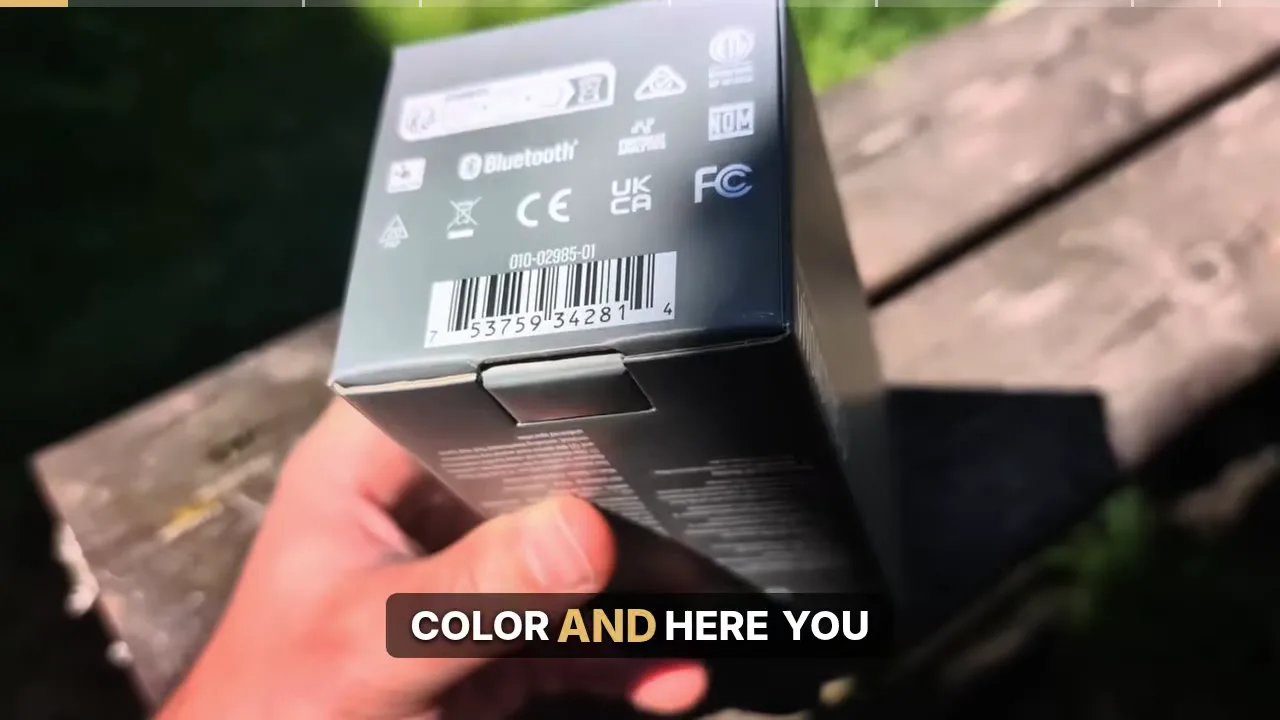
A practical tip if you buy from another EU country: check the product code on the box. Mine is from Amazon Germany, so it has the European product code. Apart from that, the box doesn’t tell you much.
The older Vivoactive 5 is now often discounted, and you might be tempted to save a bit more. I’d still pick the Vivoactive 6. The improvements, especially the brighter screen, are worth the difference to me. Prices will most likely keep slipping as the device gets older, so if you’re not in a hurry, keep an eye on sales.
What’s in the box
The box is pretty minimal:
- The Vivoactive 6 itself, with the band already attached
- A charging cable
- A quick start guide
- A leaflet with important safety and product information
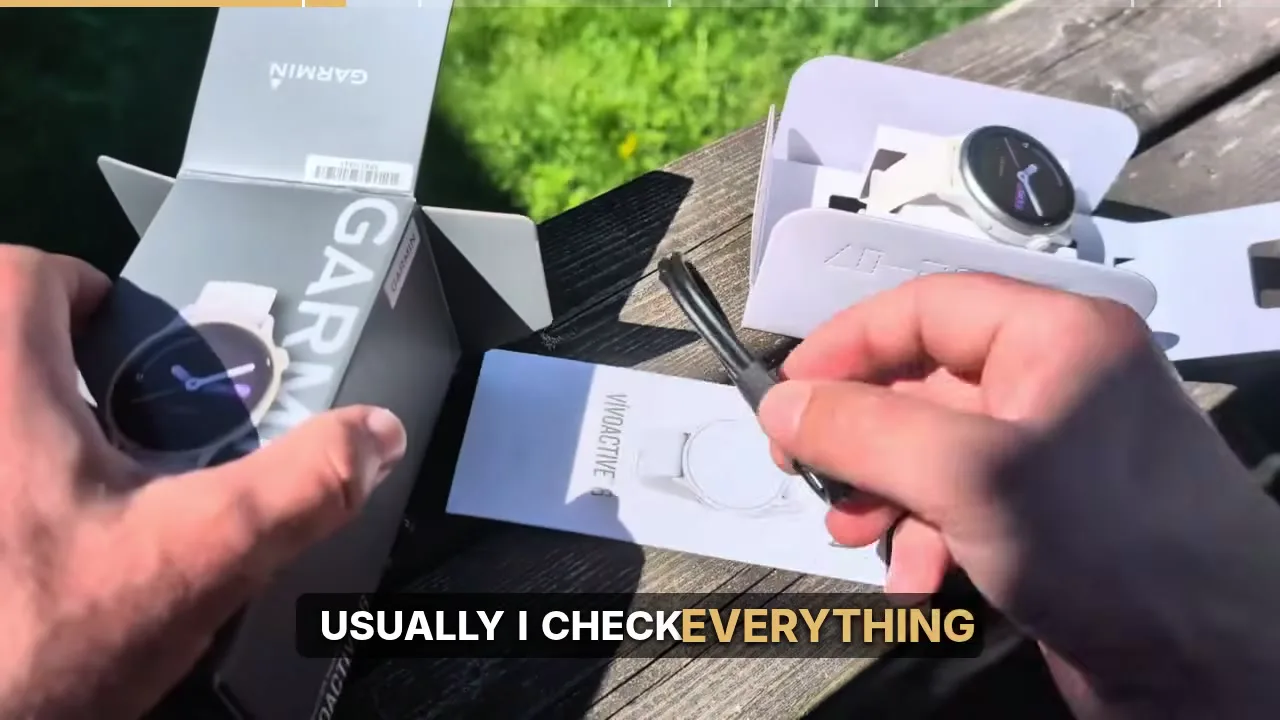
The charging cable is worth mentioning. The computer end is now USB-C, but the watch end is still the traditional Garmin connector. So if you’ve had a Garmin watch before, your old cable will work too. That’s handy to keep one cable at work and one at home, or a spare in your travel bag.
I usually read the manuals online rather than from the paper leaflets, and I’d recommend you do the same.
Design and build quality
My unit has a bone white silicone strap and a lunar gold bezel. The white band really matches the light-coloured case, and the gold bezel gives it a slightly dressier look than a typical sports watch.
Case, sensors and water rating
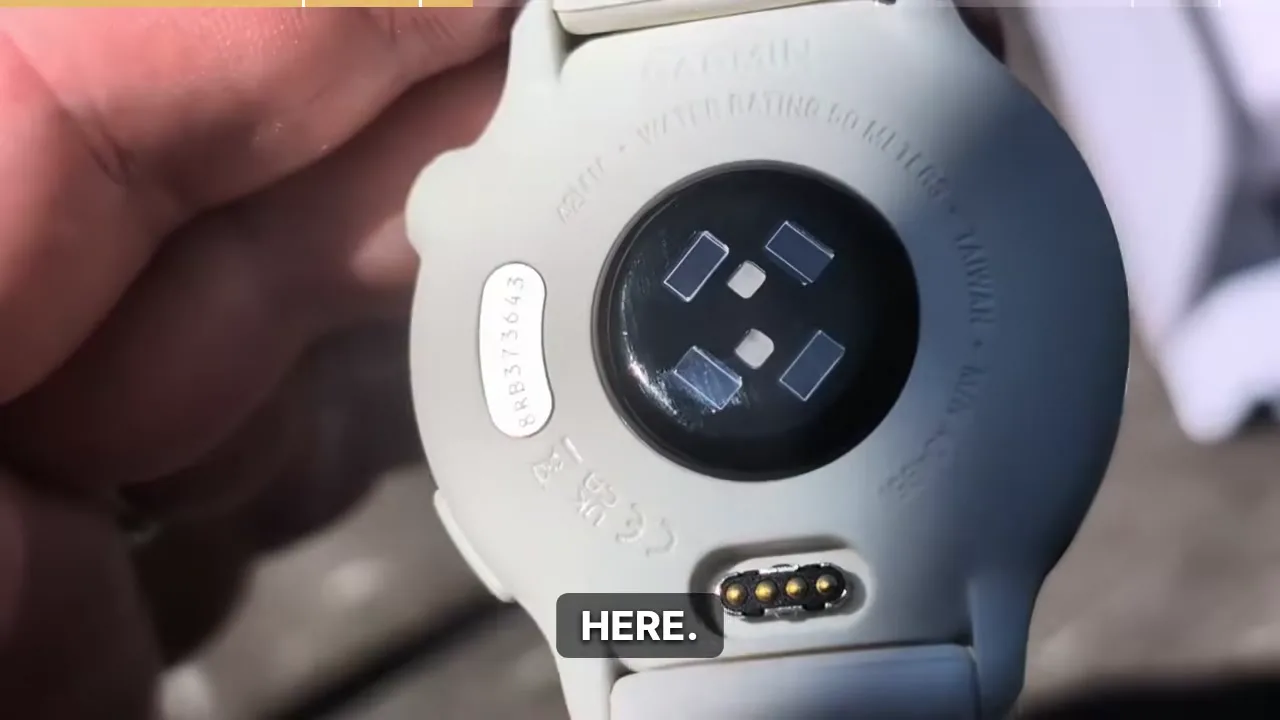
The back of the watch says it’s a 42 mm case with a 50 m (5 ATM) water rating. You’ll also find the optical heart rate sensor and the charging port there. At 42 mm it’s a lot smaller than a Fenix or Enduro, which matters if you have smaller wrists or want to wear it to sleep.
If you plan to swim with it, see my guide to waterproof fitness trackers for swimming for what water ratings mean in practice.
Buttons and touchscreen
There are two buttons on the right side and none on the left. The top button is round and the lower one is more square, and both have a good, tactile feel.
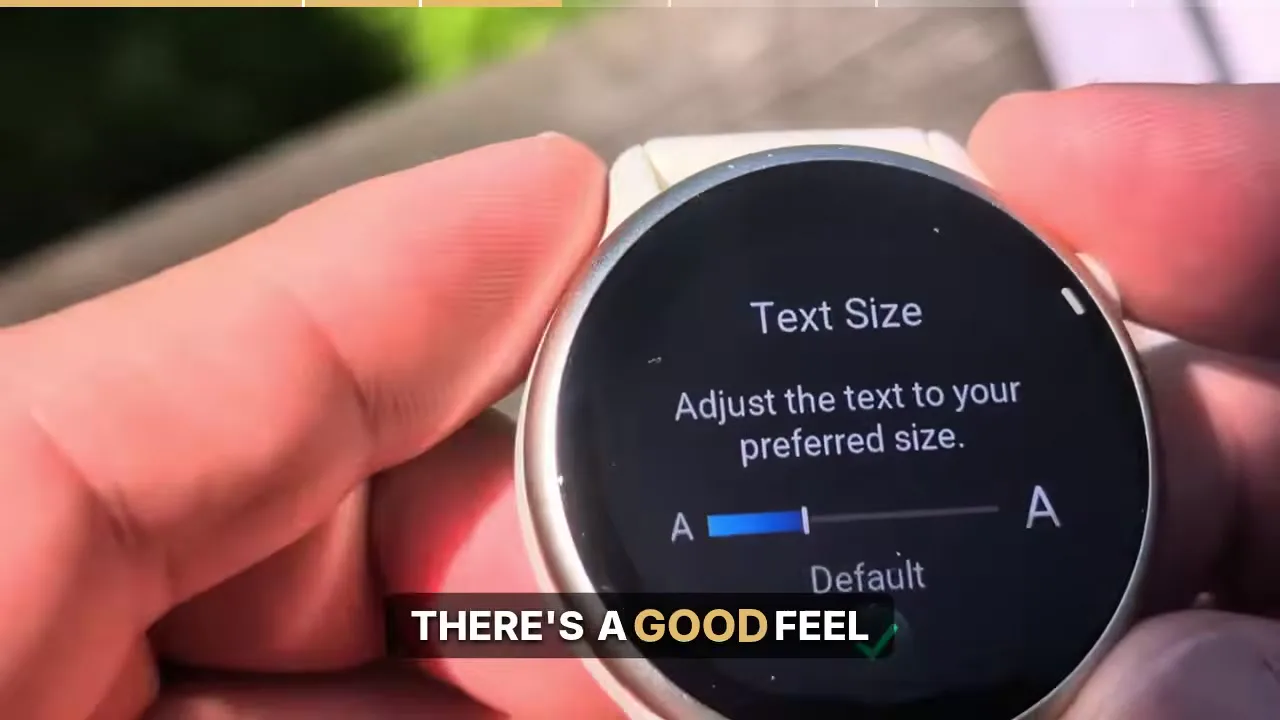
Since there are only two buttons, you’ll do most of the navigation on the touchscreen. The screenshot above shows the Text Size setting, where you can make the text larger or smaller. Small detail, but useful if you find the default size hard to read during a workout.
20 mm quick-release bands
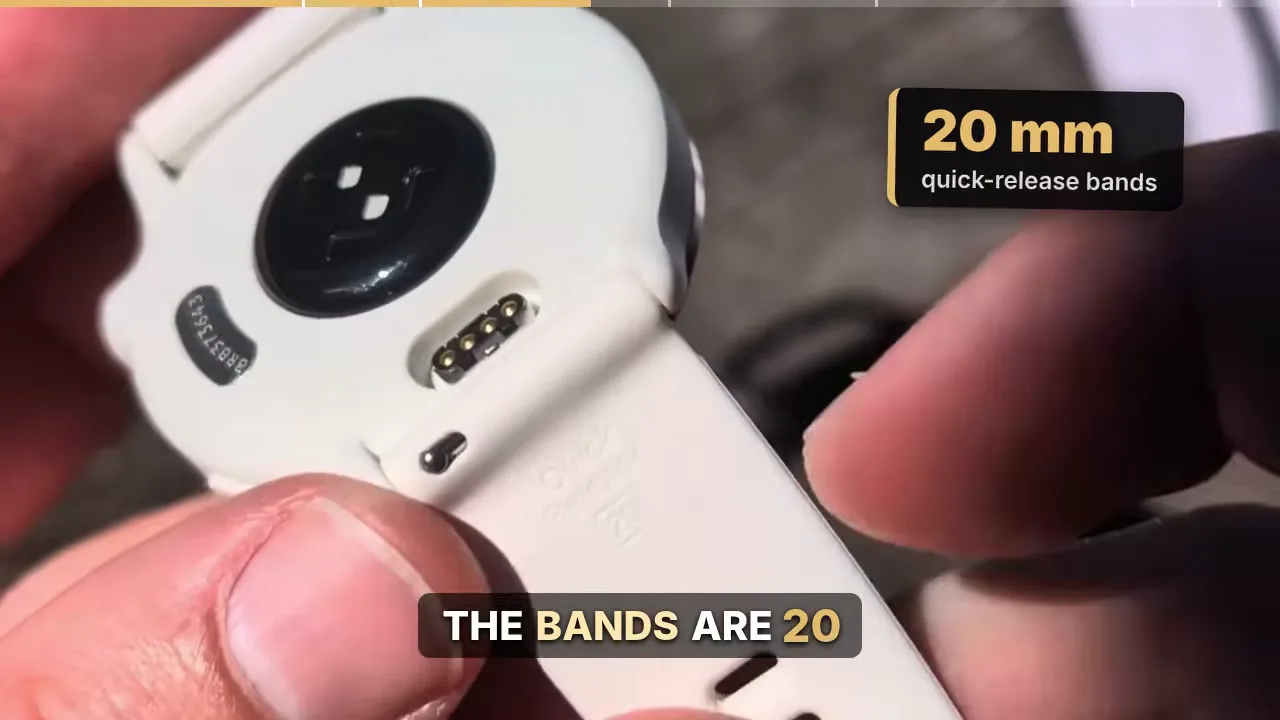
The bands are 20 mm wide and use a quick-release pin, so they’re easy to swap, and you can buy other bands for the watch if you want a different look. I have more tips in my article on whether you can change your smartwatch strap.
Key features: the AMOLED screen and battery life
The two highlights for me are the screen and the battery.
The 1.2-inch AMOLED screen is brighter than the Vivoactive 5’s. That’s the improvement I notice most, and it’s the main reason I’d pick the 6 over a discounted 5.
Battery life is up to 11 days in normal smartwatch mode. With the always-on display, you still get around 5 days. GPS and other activities will cut that, but compared with competitors like the Apple Watch, which has very short battery life, it’s excellent. I don’t think anything else in this price range beats it.
Features that used to be “premium”
It’s been a while since I last reviewed a Vivoactive (see my Vivoactive 3 Music long-term test), and the line has improved a lot since then. The Vivoactive 6 has:
- Garmin Pay for contactless payments from your wrist
- Music storage, so you can leave your phone at home (more in smartwatches with Spotify or Deezer)
- Built-in GPS for running and other outdoor activities
- A wide range of activity profiles
- The morning report with your overnight and readiness information
Vivoactive 6 vs Fenix 8 and Enduro 3
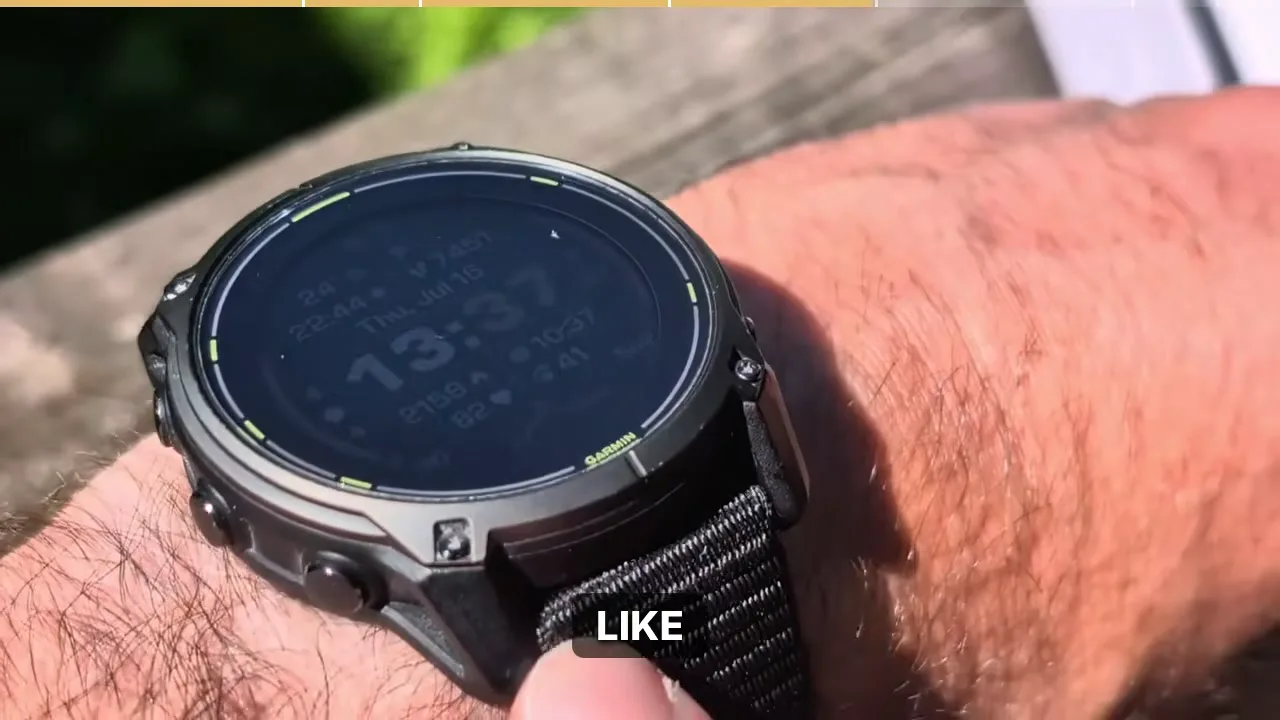
I wear Garmin’s bigger outdoor watches too, so the obvious question is how much you give up by choosing the Vivoactive 6. Less than you’d expect. On everyday features it has really caught up with something like a Fenix 8 or my Enduro 3.
There are two main differences:
- Maps. The Vivoactive 6 has no maps. Higher-end Forerunners and the Fenix line do. If you navigate trails or need on-watch maps, this is the deal breaker. (If you have a Fenix, here’s how to download maps on the Fenix 7 and Epix.)
- Battery life. 11 days is excellent, but a Fenix 8 or Enduro 3 lasts a lot longer.
If you mostly run, go to the gym, track sleep and want payments and music, the Vivoactive 6 covers almost everything for a fraction of the price. If you need maps or battery for multi-day adventures, the Fenix and Enduro are still worth the extra money. My Garmin smartwatch comparison table can help if you’re comparing several models.
First power-on
You switch the watch on by holding the top button. The Garmin splash screen was a bit hard to see in bright sunlight, but once the watch had booted, the display was very readable outdoors.
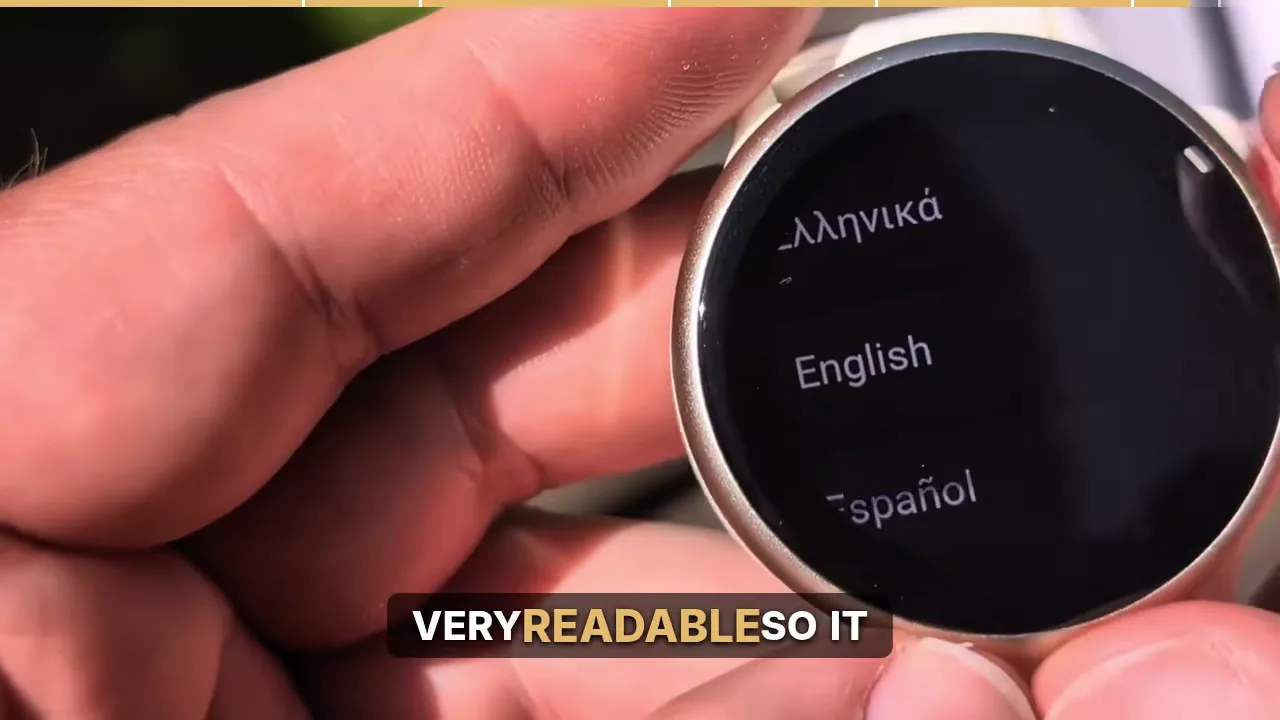
The first setup screen asks you to choose your language, using the touchscreen. After that you continue the setup and pair the watch with your phone.
Verdict: is the Vivoactive 6 worth it?
My first impression is that it’s an impressive device for the money. In short:
Buy it if you want:
- A light 42 mm watch with a bright AMOLED screen
- Around 11 days of battery (about 5 with always-on display)
- Garmin Pay, music and GPS without paying Fenix prices
Look elsewhere if you need:
- On-watch maps for navigation (Forerunner high-end models or the Fenix line)
- Weeks of battery life (Fenix 8 or Enduro 3)
At around €250–270 in Europe, the Vivoactive 6 is a very easy watch to recommend to most people who want a Garmin. I’m doing a full review after more time with it, and I’ll link it here once it’s published.
Check the current price of the Garmin Vivoactive 6 on Amazon.