
Garmin Fenix 8 vs Enduro 3: Which One Should You Choose?
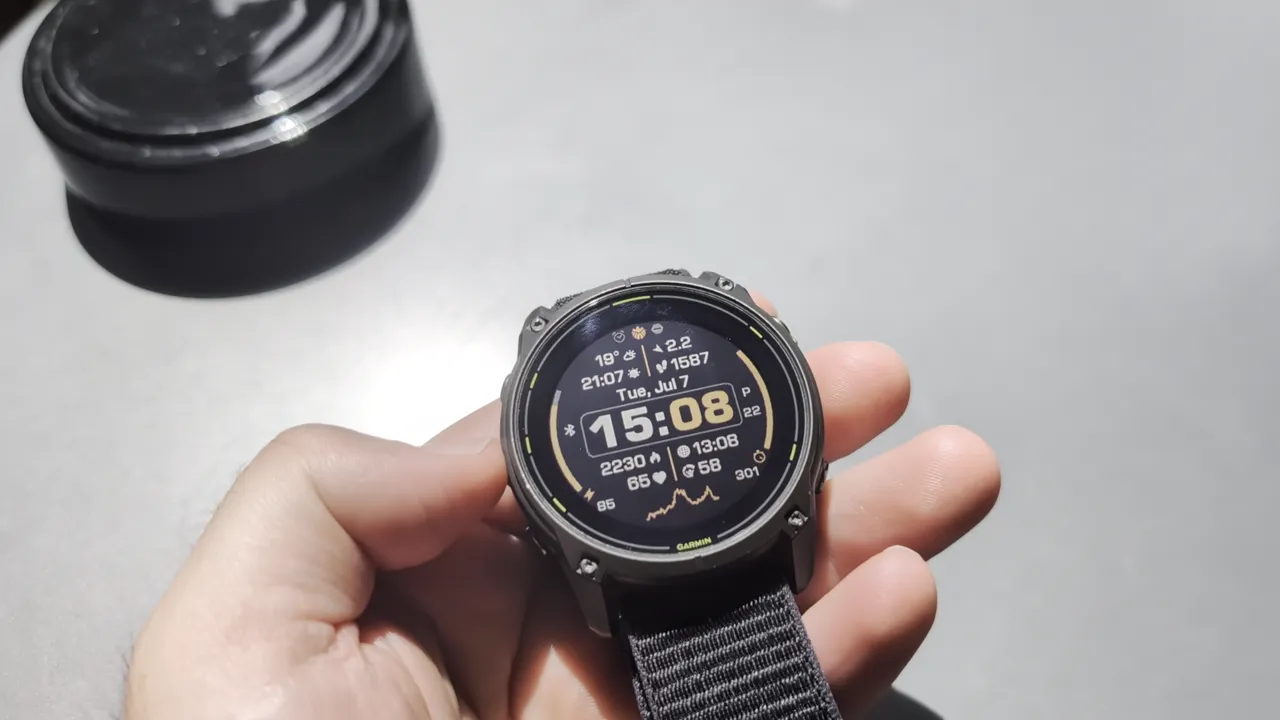
The Fenix 8 series is Garmin’s flagship line. The regular Fenix 8 came first and the Fenix 8 Pro followed later, and the Enduro 3 launched at about the same time as the original Fenix 8. I’ve owned the Fenix 8 Solar, the Fenix 8 AMOLED and the Enduro 3, and in the end the Enduro 3 was my favourite. In this post I compare the Fenix 8 and the Enduro 3: weight, battery life, displays, price, the features that differ, and how they work on the trail.
If you’d rather watch than read, here’s the full video (in Finnish):
Check the current price of the Garmin Enduro 3 on Amazon. (Affiliate link. It supports the site at no extra cost to you.)
Check the current price of the Garmin Fenix 8 47mm AMOLED on Amazon.
Fenix 8 vs Enduro 3 at a glance
These are the differences I talk about in the video:
| Enduro 3 | Fenix 8 | |
|---|---|---|
| Weight | Noticeably lighter, about 63 g with the UltraFit band | Heavier, partly because of the titanium caseback |
| Materials | Polymer case sides and back, titanium only at the front | Titanium caseback |
| Display | MIP (always on) | MIP on the Solar models, or AMOLED |
| Battery (claimed) | About 30 days as a smartwatch, up to 90 days with solar | AMOLED models need charging more often |
| Water rating | 10 ATM / 100 m | Dive-certified to 40 m |
| Diving | No dive features | Full dive features and sealed buttons |
| Price in Finland right now | About €700 | About €700 (51 mm) |
Weight, materials and comfort
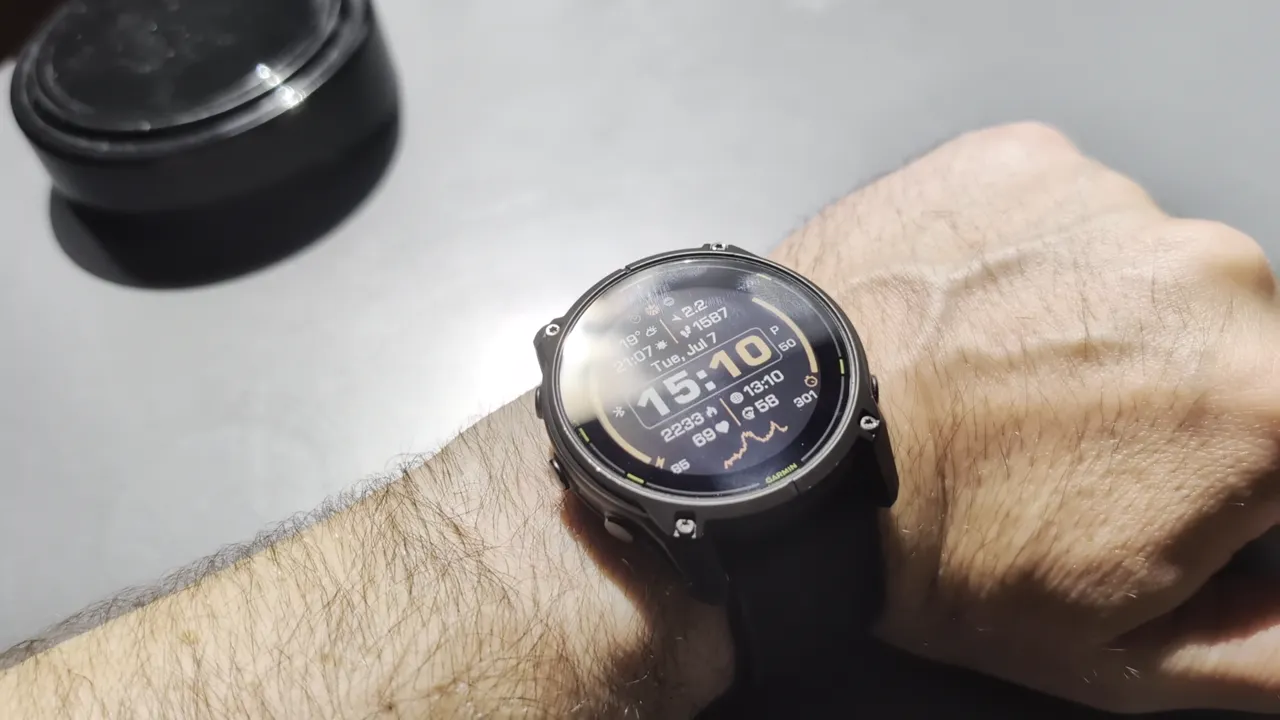
One big reason I like the Enduro 3 is that it’s clearly lighter. If I remember right, it weighs about 63 g with the UltraFit band. That band is really comfortable, and the whole watch feels very light on the wrist.
Part of what adds weight to the Fenix 8 is its titanium caseback. The Enduro 3 uses polymer for the case sides and the back, and only the front is titanium.
Battery life in practice and solar charging
The other thing I love about the Enduro 3 is the battery life. Garmin promises about 30 days in smartwatch mode and as much as 90 days with solar charging. In a power-saving mode, solar can in theory keep it going more or less forever, so you’d basically never have to charge it.
In reality this is a sports watch. GPS and workouts use enough battery that you will have to charge it, and it won’t last the full 30 days if you train once or sometimes even twice a day. With a lot of training, I’d say charging every couple of weeks is more realistic. Compared with the Fenix 8 AMOLED models, though, you charge the Enduro 3 much less often.
Displays: MIP vs AMOLED
The Enduro 3, like the Fenix 8 Solar models, has a MIP (memory-in-pixel) display. It’s on all the time and it’s easiest to read in direct sunlight. It has a backlight too, so you can read it in the dark.
When you look at a map, the AMOLED screen is probably more readable, with better colours and so on. I still like the MIP display. Some people prefer AMOLED, and it’s really a matter of taste.
Case size, durability and water rating
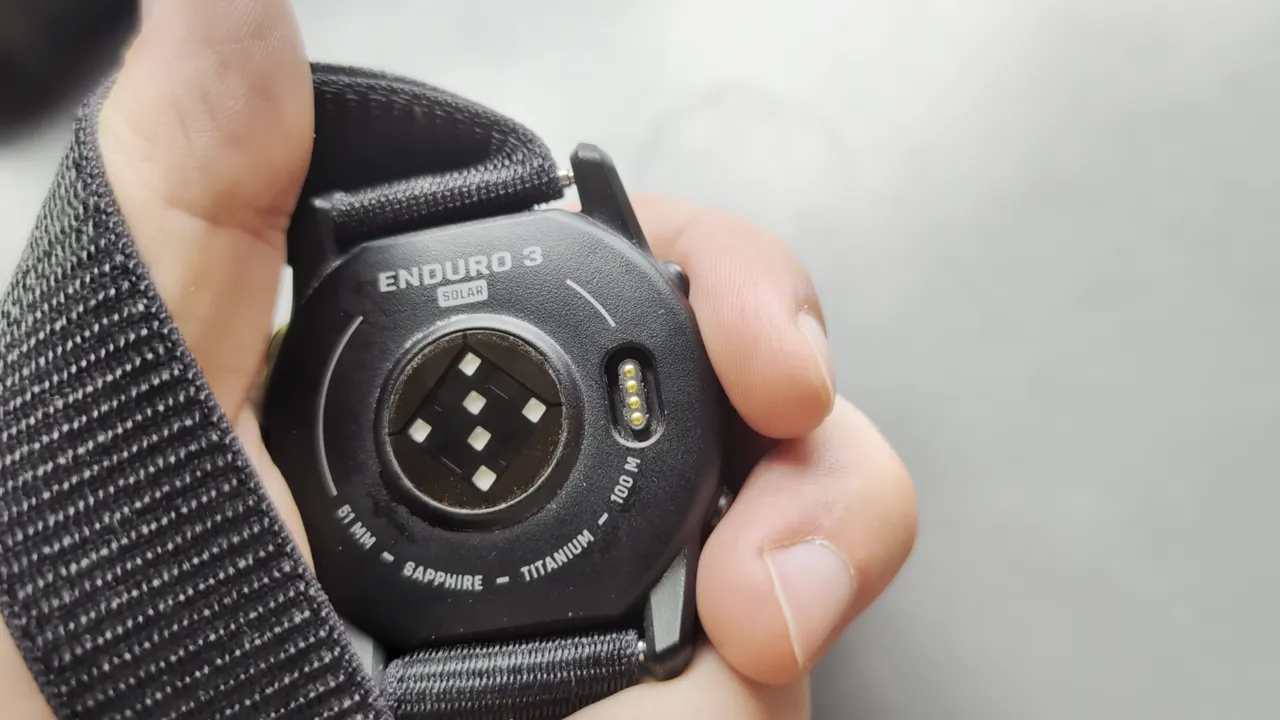
The cases on all the Fenix 8 series watches are very durable. The Enduro 3 is water-rated to 100 m (10 ATM) and has a 51 mm case. My Fenix 8 was also the 51 mm version, and for a lot of men 51 mm is the right size.
Price: which one should you buy?
The Fenix 8 has been out for a while now, so prices have come down. At Finnish retailers like Gigantti and Power, the 51 mm Fenix 8 is currently around €700. I didn’t see any deals on the Enduro 3 right now, so it’s also about €700.
Because the Fenix 8 originally had the higher list price, at the moment I’d probably buy the Fenix 8 and just get a light band like the UltraFit for it.
For many people, especially men, a watch is also a bit of jewellery. Some like to wear an automatic watch, and among athletes the Fenix 8 is probably the more prestigious watch of the two. With the Fenix 8 you can, for example, buy a titanium bracelet for parties and other occasions, and use a lighter band for everyday wear and training. (More on swapping bands in can you change your smartwatch strap.)
Feature differences: diving and inductive buttons
For sports features there aren’t many differences between the Enduro 3 and the Fenix 8. The Enduro 3 has the longer battery life. The Fenix 8, on the other hand, is certified for diving down to 40 m and has all the dive features.
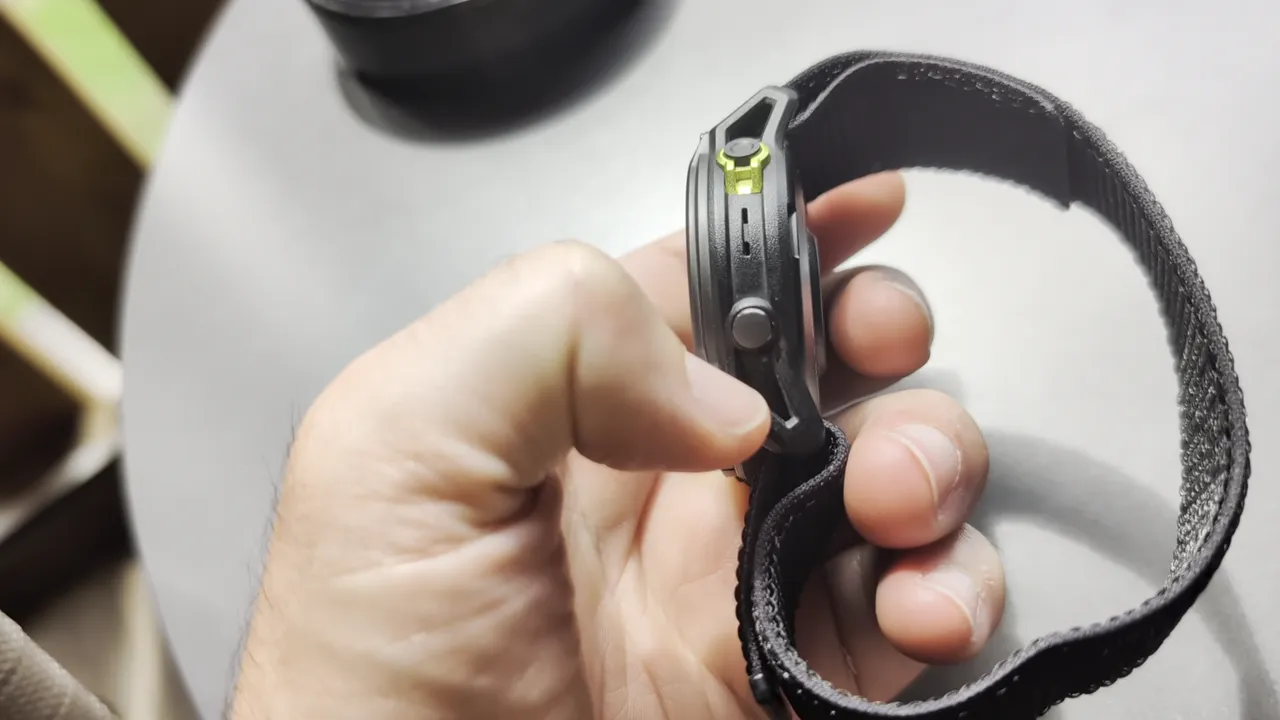
Its buttons are also sealed. There’s no opening through the case at the buttons. If I remember right, Garmin uses an inductive button system, which makes them fully watertight. If you do scuba diving, the Fenix 8 is clearly the right choice.
So between the Enduro 3 and the Fenix 8, I’d mainly look at price and features:
- Do you want the AMOLED display, or longer battery life?
- Do you need the dive features?
There’s also the Fenix 8 E (or whatever the cheaper model is called). It has no LED flashlight and is missing some other features too, so I don’t recommend it.
The built-in LED flashlight
The LED flashlight might feel a bit gimmicky at first, but it’s an absolutely useful feature. You’re wearing the watch all the time anyway, so you always have a flashlight on hand. You can adjust its brightness easily with the buttons.
At night, for example, if you need to go to the bathroom, you can switch the LED to red light and find your way without turning on the lights and waking up the rest of the family.
User interface improvements and sports features
Sports features have been good for a long time. The Fenix 6, Fenix 7 and Fenix 8 and the Forerunner watches all handle cycling, running and swimming very well, and Forerunners now have map features too.
The Fenix 8 brought some user interface improvements compared with the older generation. At first I thought they didn’t matter much. Once I got used to them, going back to the older Fenix didn’t feel as nice anymore. If you train actively and want a flagship watch, I’d recommend the Fenix 8 or the Enduro 3 right now.
Maps and routes in real use: mountain biking and trail running
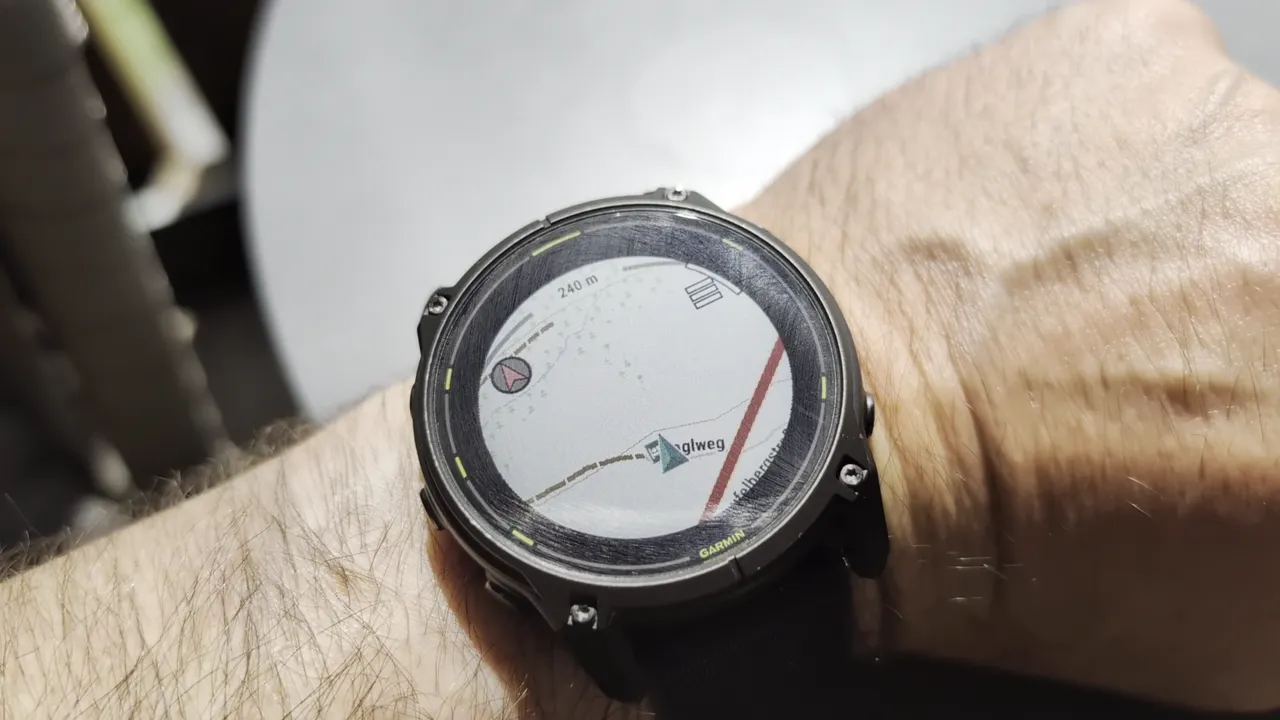
The map features on the Fenix 8 series, and on the earlier Fenix watches, are really useful. That goes for mountain biking, trail running, or just a normal run in unfamiliar terrain.
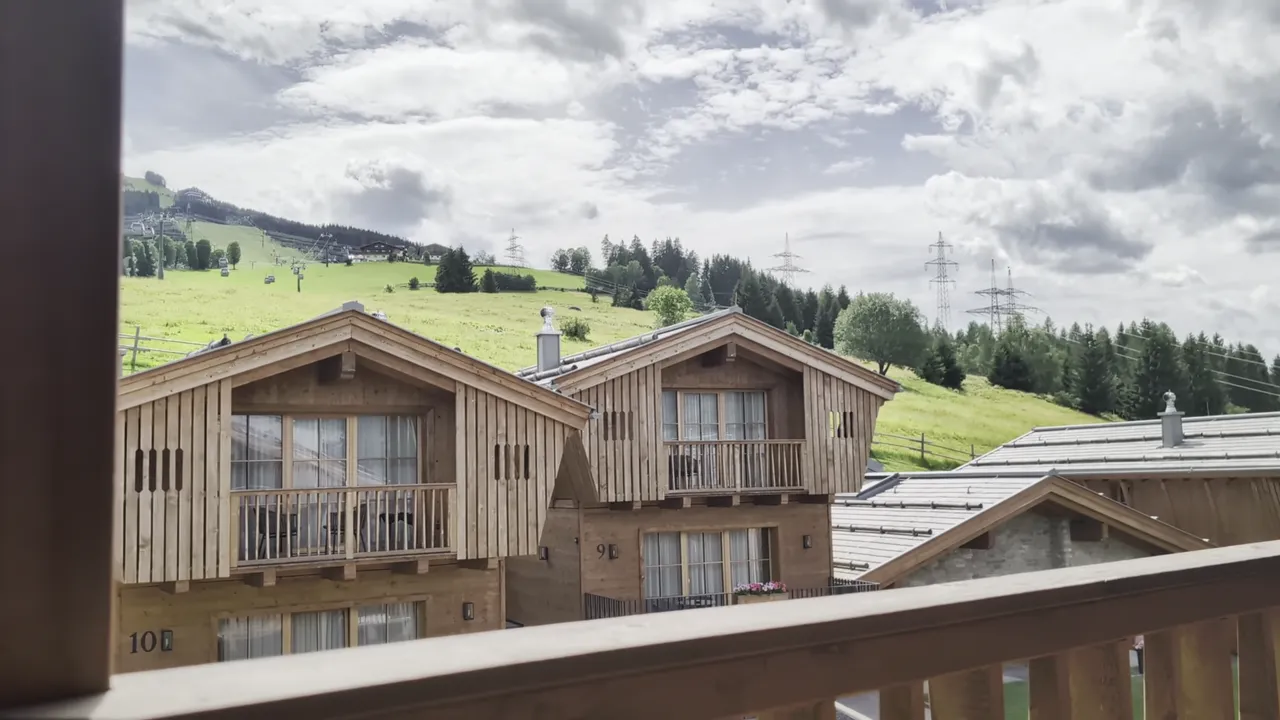
When I recorded the video I was in the Zell am See area in Austria and had just done a mountain bike ride. You download the route from Garmin Connect, start it on the watch, and an arrow shows you where the trail goes. It makes getting around a lot easier. (If you have an older Fenix or Epix, here’s how to download maps on the Fenix 7 and Epix.)
For trail running and mountain biking it’s really handy. On the mountain bike I find I can glance at the watch now and then without problems.
For road cycling, a Garmin bike computer with its bigger screen is probably nicer. You can mount the watch on the bike, and that works OK at first if you ride only now and then. If you ride every day, a Garmin bike computer is the better option.
Verdict: Fenix 8 or Enduro 3?
My own favourite has been the Enduro 3: it’s lighter, the battery lasts longer and I like the MIP display. At today’s prices, though, with both at about €700 in Finland, I’d lean towards the Fenix 8 and put a light band on it.
Pick the Enduro 3 if you want:
- The lightest watch and the longest battery life
- A MIP display that’s always on and easy to read in sunlight
Pick the Fenix 8 if you want:
- An AMOLED display (or a MIP Solar model)
- Dive features and fully sealed buttons for scuba diving
- A slightly more prestigious watch that you can dress up with a titanium bracelet
Skip the Fenix 8 E if you want the LED flashlight. Amazon Germany is sometimes a bit cheaper than Finnish shops, so compare prices before you buy.
Check the current price of the Garmin Enduro 3 on Amazon.
Check the current price of the Garmin Fenix 8 47mm AMOLED on Amazon.
Comparing more models? See my Garmin smartwatch comparison table and the interactive Garmin comparison chart, which includes both the Fenix 8 and the Enduro 3. If you want something smaller and cheaper, read my Garmin Vivoactive 6 first impressions, where I also compare it with these two.